

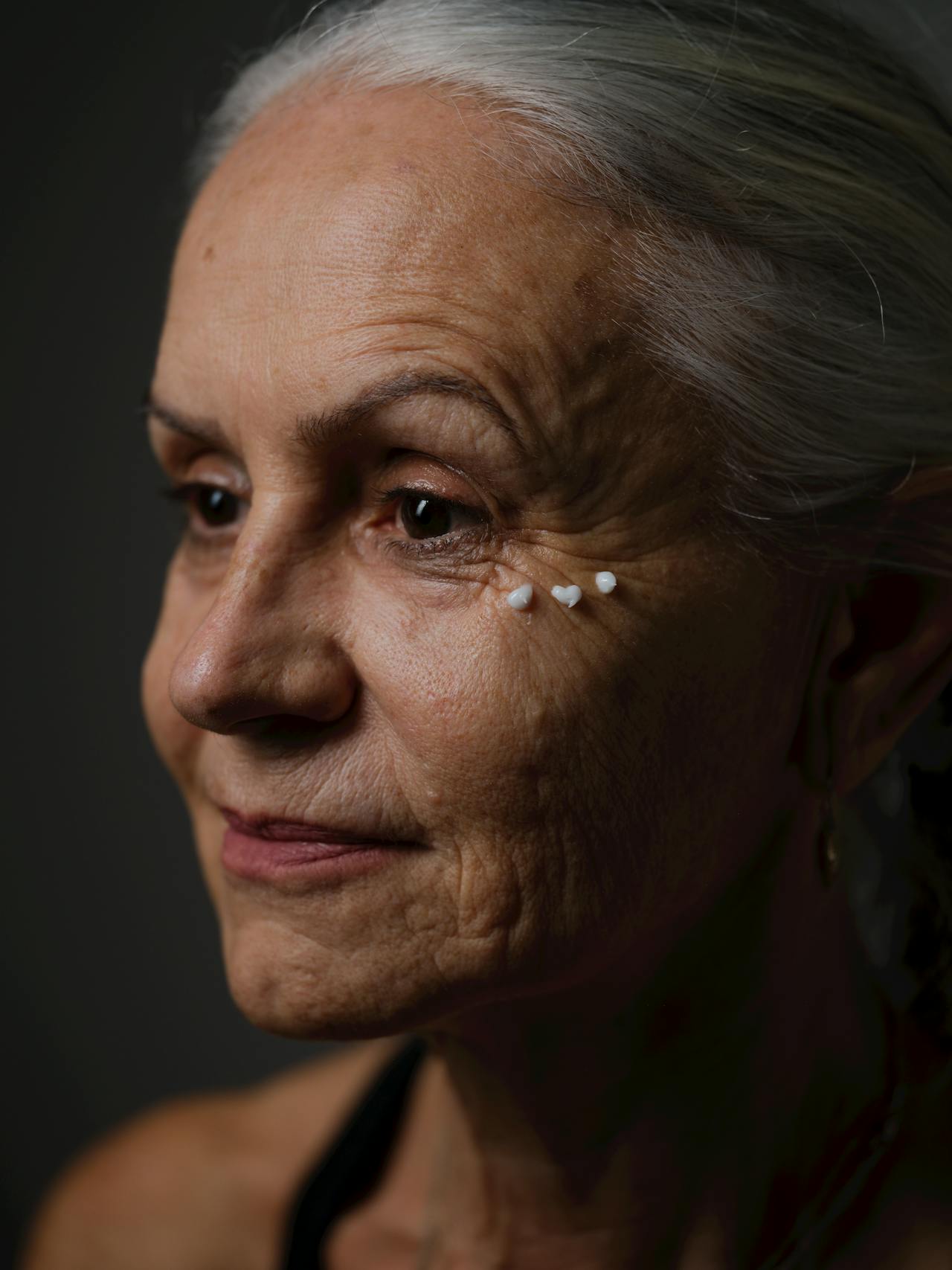
Introduction
Aging is a natural biological process that affects every part of the human body over time. While growing older is unavoidable, modern research shows that healthy lifestyle choices can significantly slow the visible and internal effects of aging. Anti-aging is no longer focused only on appearance; it now emphasizes overall wellness, longevity, mental clarity, physical strength, and quality of life.
From proper nutrition and skincare to exercise and stress management, maintaining youthful health requires a balanced and consistent approach. Understanding the causes of aging and adopting healthy habits can help individuals remain energetic, confident, and healthy for years to come.
Understanding the Aging Process
As the body ages, cell regeneration gradually slows down. Collagen and elastin production decrease, causing the skin to lose firmness and elasticity. Metabolism slows, muscle mass declines, and oxidative stress increases as free radicals damage healthy cells.
Several factors contribute to premature aging, including:
- Excessive sun exposure
- Poor nutrition
- Smoking and alcohol consumption
- Chronic stress
- Lack of physical activity
- Inadequate sleep
- Environmental pollution
These factors can accelerate the development of wrinkles, fatigue, weakened immunity, and other age-related health concerns.
Nutrition: The Foundation of Anti-Aging
A healthy diet is one of the most effective tools for slowing the aging process. Nutrient-rich foods help repair cells, reduce inflammation, and protect the body from oxidative damage.
Key Anti-Aging Nutrients
Antioxidants help neutralize free radicals that damage cells and accelerate aging. Foods rich in antioxidants include berries, spinach, tomatoes, and green tea.
Healthy fats, particularly omega-3 fatty acids found in salmon, walnuts, and flaxseeds, support heart health, brain function, and skin hydration.
Protein is essential for maintaining muscle mass and tissue repair. Lean meats, eggs, legumes, and dairy products provide important amino acids for healthy aging.
Vitamins and minerals such as Vitamin C, Vitamin E, zinc, and selenium support collagen production and immune function.
Hydration is equally important. Drinking sufficient water improves skin elasticity, supports digestion, and helps remove toxins from the body.
Exercise and Physical Activity
Regular exercise is one of the strongest predictors of healthy aging. Physical activity improves cardiovascular health, strengthens bones and muscles, enhances mood, and boosts energy levels.
Recommended Anti-Aging Exercises
- Walking and jogging for heart health
- Strength training to preserve muscle mass
- Yoga and stretching for flexibility and stress reduction
- Swimming for joint-friendly full-body movement
- Cycling for endurance and circulation
Exercise also stimulates blood flow, delivering oxygen and nutrients to the skin, which contributes to a more youthful appearance.
The Role of Sleep in Healthy Aging
Sleep is essential for cellular repair and hormonal balance. During deep sleep, the body produces growth hormones that help restore tissues and maintain healthy brain function.
Poor sleep can lead to:
- Dark circles and dull skin
- Reduced concentration and memory
- Increased stress hormones
- Weakened immune response
- Faster skin aging
Experts recommend 7–9 hours of quality sleep each night for optimal health and recovery.
Stress Management and Mental Wellness
Chronic stress accelerates aging by increasing inflammation and cortisol levels in the body. Long-term stress may contribute to wrinkles, high blood pressure, anxiety, and weakened immunity.
Effective stress management techniques include:
- Meditation and mindfulness
- Deep breathing exercises
- Regular physical activity
- Prayer or spiritual practices
- Spending time with loved ones
- Maintaining hobbies and personal interests
Mental wellness is equally important in the anti-aging process. Staying socially connected and mentally active helps support memory, emotional balance, and cognitive health.
Professional Skincare and Daily Habits
Healthy skin requires protection and consistent care. A professional skincare routine can help maintain skin texture, hydration, and elasticity.
Essential Anti-Aging Skin Care Tips
- Apply sunscreen daily to prevent UV damage.
- Use moisturizers to maintain hydration.
- Cleanse the skin gently without harsh chemicals.
- Incorporate antioxidants such as Vitamin C into skincare.
- Avoid smoking and excessive alcohol intake.
- Follow a consistent skincare routine.
Natural remedies like aloe vera, honey, and green tea may also provide soothing and antioxidant benefits for the skin.
The Importance of a Positive Lifestyle
Healthy aging is not only physical, but it also involves emotional and psychological well-being. People who maintain a positive mindset, strong relationships, and a sense of purpose often experience improved long-term health outcomes.
Activities such as reading, learning new skills, traveling, volunteering, and engaging with family and community can contribute to emotional resilience and life satisfaction.
Conclusion
Anti-aging is not about avoiding age; it is about embracing healthy living and maximizing quality of life. By focusing on proper nutrition, exercise, stress management, sleep, skincare, and mental wellness, individuals can slow the effects of aging naturally and maintain vitality at every stage of life.
True anti-aging begins with consistent daily habits and a commitment to overall wellness. Looking younger is only one benefit; feeling healthier, stronger, and more confident is the ultimate goal.